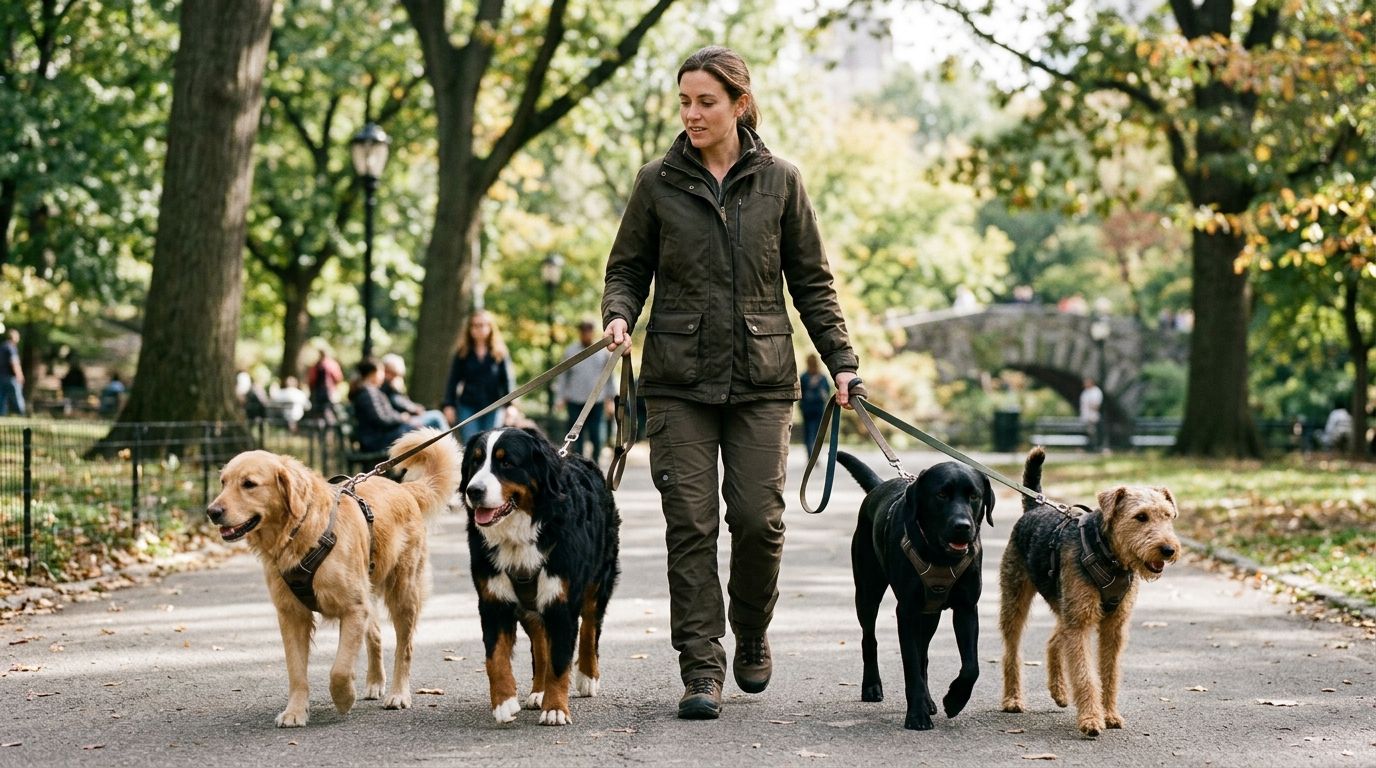
Professional dog walkers need a no-pull harness that controls multiple dogs of different sizes, temperaments, and pull strength without slowing down a route or risking a bolt into traffic. The gear that works for a single house pet on a Sunday stroll falls apart fast on a five-dog group walk with three different leash-reactivity levels.
- A front-clip, dual-clip no-pull harness is the 2026 standard for professional dog walkers managing multiple dogs per route.
- Back-clip-only harnesses work for calm, leash-trained dogs but fail on strong pullers and reactive breeds.
- Shop and Bark's no-pull harness lineup covers front-clip, dual-clip, and martingale-style builds for mixed client rosters.
- Fit checks every 2-3 walks prevent the chafing and hardware wear that cause mid-route gear failures.
- Rotating harnesses across a multi-dog roster cuts wear-related replacement costs over a season.
Why no-pull harnesses matter for professional dog walkers
A professional dog walker isn't managing one leash relationship, they're managing five or six at once, each dog with its own pull threshold, reactivity trigger, and body shape. The wrong harness on one dog in a group can trigger a chain reaction: a lunge from a reactive terrier pulls the walker off balance, which yanks the leash of the calm senior dog next to it.
A no-pull harness for professional dog walkers needs to do two things a hobbyist harness doesn't: hold up to daily wear across dozens of walks a week, and adjust fast between dogs with wildly different builds. That's a different buying calculus than a pet owner picking one harness for one dog in 2026.
Group-walk liability is the other factor. A harness that lets a dog slip its lead mid-walk isn't just an inconvenience, it's a client-relationship and safety problem. Fit, clip placement, and material durability matter more here than for a single-dog household.
Assess each dog's pull pattern before buying gear
Before stocking a harness inventory, walk each new client's dog solo and log how it pulls. Pull pattern determines clip point more reliably than breed or size alone.
- Note whether the dog pulls steadily (constant tension) or lunges (short, hard bursts toward triggers)
- Flag brachycephalic breeds (French Bulldogs, Pugs) that need harnesses, never collars, to avoid tracheal pressure
- Record neck-to-chest ratio for breeds prone to backing out of harnesses, like Greyhounds and Whippets
- Test both front-clip and back-clip attachment on the first walk to compare pull reduction
- Write the result into the client file so substitute walkers know what gear to grab
Fit the harness to prevent chafing on multi-dog walks
A harness that fits loose enough to slip on but tight enough to chafe over a 45-minute route is the single most common equipment complaint from working dog walkers. Fit checks take under two minutes and prevent most mid-route problems.
- Slide two fingers flat under every strap; tighter than that causes chafing on long walks, looser lets the dog back out
- Check the girth strap sits behind the front legs, not across the armpit, where friction builds fastest
- Re-check fit every 2-3 walks on growing puppies and dogs with seasonal coat changes
- Look for rubbing marks or thinning fur at strap contact points after each walk
- Size up seasonally for dogs that gain a heavier winter coat
Choose front-clip vs back-clip based on client roster
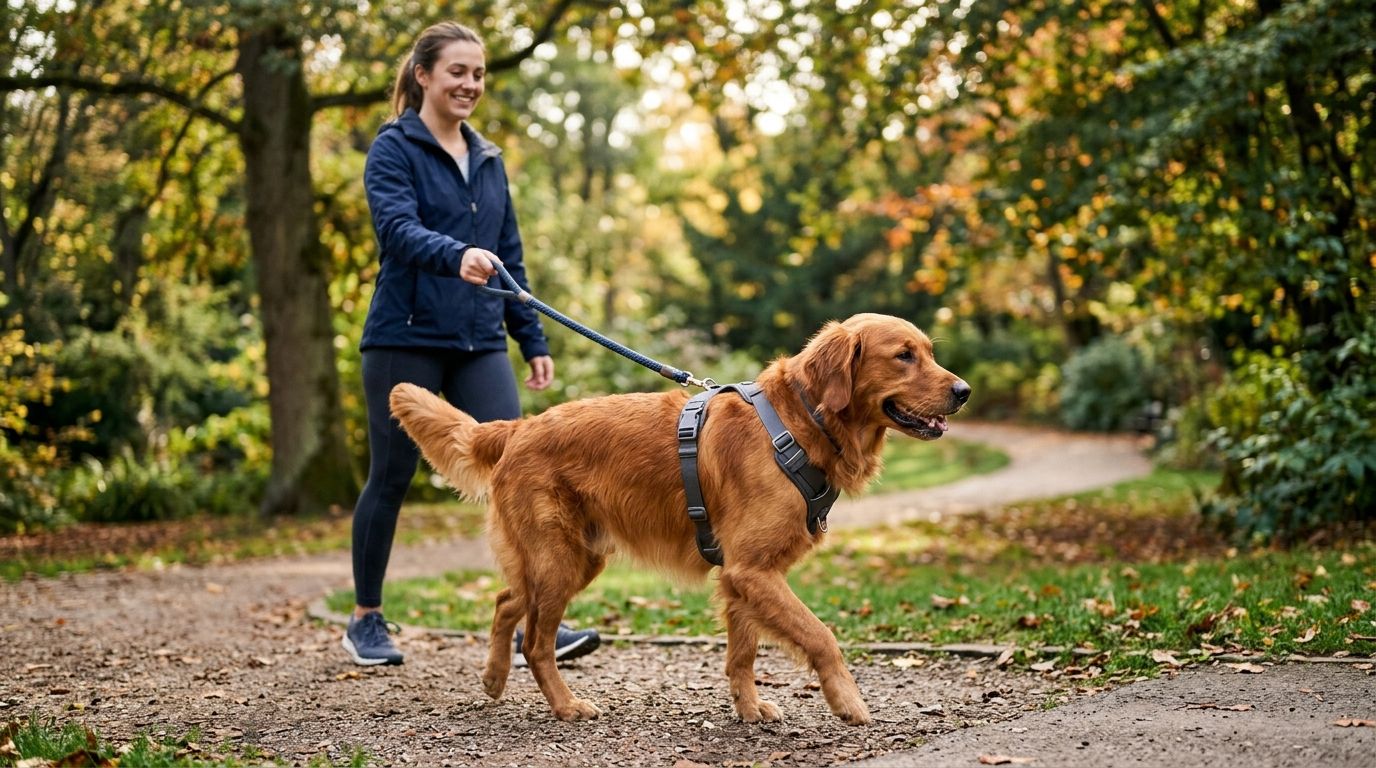
Most professional dog walkers end up carrying both styles because no single clip point works for every dog on the roster. Front-clip harnesses redirect a pulling dog's momentum sideways, which is the mechanism that actually reduces pulling; back-clip harnesses are easier to put on fast but do less to stop a hard puller.
- Default to front-clip for any dog rated a strong or constant puller
- Use back-clip for senior dogs, small breeds, and already leash-trained dogs where speed of harnessing matters more
- Carry a dual-clip harness for dogs whose behavior varies by trigger, since it lets the walker switch clip points mid-route without swapping gear
- Avoid head halters for group walks unless a client specifically requests one and the walker is trained on the fitting, since a mishandled head halter can injure the neck
- Keep one martingale-collar backup per dog for handoffs, in case a harness needs mid-walk adjustment
Build a rotation system across multiple dogs
Running the same harness on the same dog every single walk shortens its working life. A basic rotation plan spreads wear and gives a walker backup gear on wash day or during a hardware failure.
- Keep two harnesses per regular client dog: one in active rotation, one as backup
- Log wash dates so no harness goes more than two weeks without a full clean on a daily-walk dog
- Inspect D-rings and buckles for hairline cracks weekly; hardware failure is the top cause of mid-walk escapes
- Retire any harness with stretched-out webbing, even if the stitching still holds
- Color-code harnesses by dog or by client to avoid mix-ups on multi-dog days
Train new clients' dogs on day one
The first walk with a new client dog sets the pattern for every walk after it. A dog that learns to pull against a front-clip harness on day one is harder to correct later.
- Start the first walk on a short lead length to limit how far a lunge can travel
- Reward loose-leash walking immediately rather than correcting pulling after the fact
- Introduce the dog to other dogs in the group one at a time, not as a full pack on day one
- Use a calmer, back-clip setup for the very first walk if the dog's temperament is unknown
- Note any resource-guarding or leash-reactive behavior for future walkers assigned to that dog
Maintain and clean harnesses between walks
Harnesses that sit sweaty and dirty between walks degrade faster and start smelling bad enough that clients notice. A simple maintenance routine extends usable life across a full season.
- Wipe down webbing after muddy or wet walks before storing
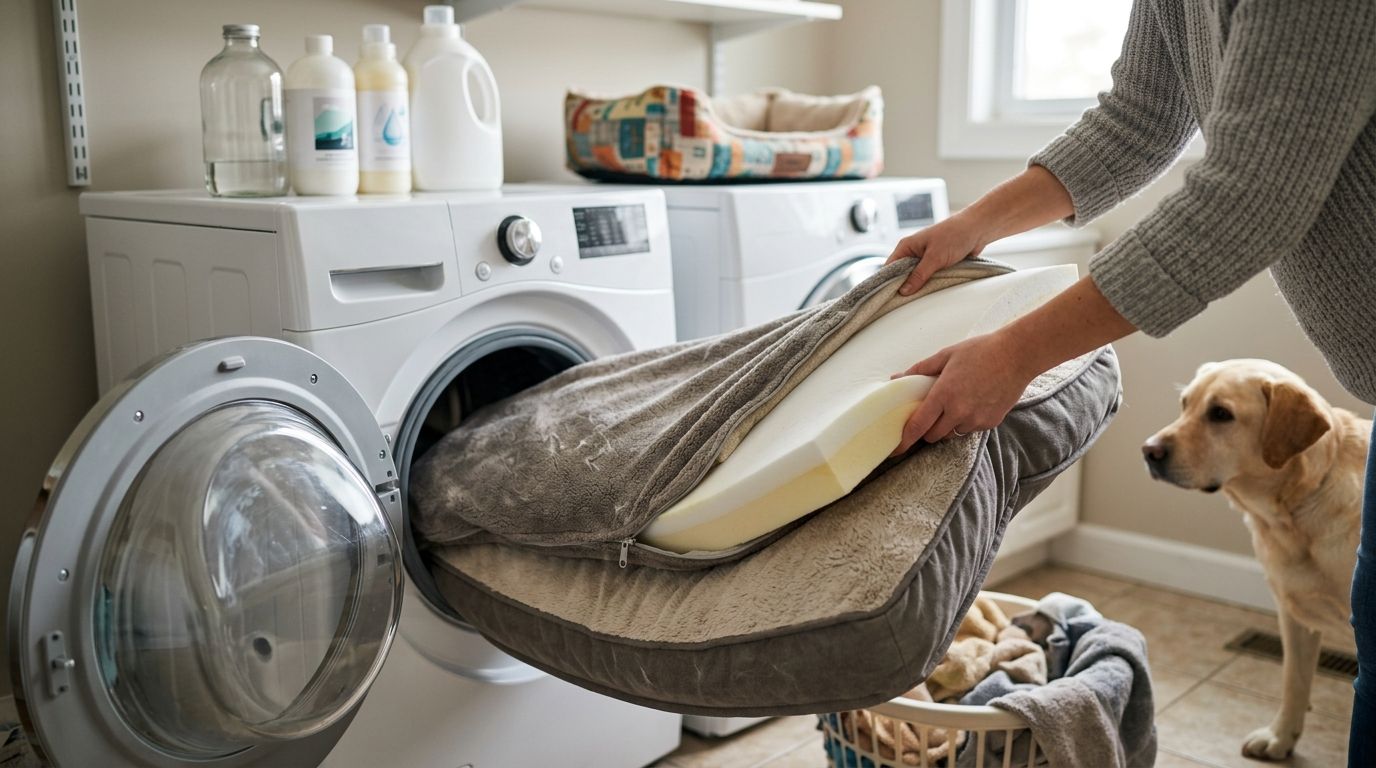
- Machine-wash on cold, air-dry only, since heat drying warps plastic hardware
- Check stitching at stress points (the chest strap and D-ring anchor) monthly
- Store harnesses hung, not balled up, to prevent strap creasing that changes fit
A browsable no-pull harness catalog like the one on Shop and Bark's no-pull harness page is the fastest way to compare front-clip and dual-clip builds side by side once the manual fit-and-train groundwork above is in place.
Price and outfit your own equipment stock
Once the fit and training system is dialed in, the remaining decision is what to actually stock. Professional dog walkers running five-plus regular clients typically keep a small rotating inventory rather than buying one harness per dog outright.
- Standardize on 2-3 harness styles (front-clip, dual-clip, one small-breed option) instead of a different brand per dog
- Keep a spare in each common size for last-minute client onboarding
- Pair harnesses with a durable, checkable collar for backup ID, browsing large-dog collar options for anything beyond 50 pounds
- Add a GPS or AirTag-compatible collar case for dogs walked off-property, using AirTag-compatible collar cases for location backup on group routes
Browse no-pull harness options
Compare front-clip and dual-clip builds sized for a multi-dog walking roster.
Comparison: harness types for professional dog walkers
| Option | Best For | Key Limitation |
|---|---|---|
| Front-clip harness | Strong or constant pullers | Slower to put on than back-clip |
| Back-clip harness | Calm, already-trained dogs | Does little to stop hard pulling |
| Dual-clip harness | Mixed-behavior client rosters | Higher price point than single-clip designs |
| Martingale collar | Backup control, escape-prone dogs | Not a substitute for a harness on strong pullers |
| Head halter | Trained handlers with specific reactive cases | Requires proper fitting; risky if mishandled |
The verdict: a dual-clip harness is the single best default purchase for a professional dog walker managing a mixed roster in 2026, because it covers both calm and reactive dogs without carrying two separate harness lines.
Common mistakes professional dog walkers make
- Buying one harness style for the whole roster. A single front-clip design doesn't fit a 6-pound Chihuahua and an 80-pound Mastiff the same way.
- Skipping the fit re-check after the first two weeks. Dogs lose or gain weight seasonally, and a harness that fit in October can chafe by December.
- Ignoring hardware wear until it fails mid-walk. A cracked D-ring rarely gives warning before it snaps.
- Using the same harness on multiple dogs without washing between uses. This spreads odor, allergens, and in some cases parasites between client dogs.
- Defaulting to head halters for convenience. Head halters demand more precise fitting and handling than a harness, and a rushed group-walk schedule isn't the place to introduce one untrained.
FAQ
What is the best no-pull harness for professional dog walkers in 2026?
A dual-clip harness is the best default for professional dog walkers in 2026 because it covers both calm dogs and strong pullers without needing separate gear per dog. Front-clip-only designs work well for constant pullers but are slower to put on across a multi-dog roster.
Is a front-clip harness better than a back-clip harness for dog walkers?
Front-clip harnesses reduce pulling more effectively because they redirect a dog's momentum sideways instead of letting it drive forward. Back-clip harnesses are faster to put on and fine for already leash-trained or senior dogs.
How often should a professional dog walker replace a harness?
Replace a harness as soon as webbing shows stretching or hardware shows cracking, regardless of age. A harness used daily across a five-dog roster typically shows wear faster than one used for a single household pet.
Can one harness fit multiple dogs on a rotation?
Adjustable straps allow some size range, but a harness fitted correctly for one dog rarely fits a dog of a different build without a full readjustment. Most professional dog walkers keep dedicated harnesses per client dog instead of sharing one across sizes.
Are head halters safe for group dog walks?
Head halters can work for a specific reactive dog but require careful fitting and a handler trained on their use. They're not recommended as a default for group walks where a walker is managing multiple leashes at once.
What harness works best for small breeds on a walker's roster?
Small breeds need a harness rather than a collar to avoid tracheal pressure, especially breeds prone to collapsed trachea. A properly fitted back-clip or dual-clip harness sized for small breeds prevents backing-out escapes common in narrow-headed dogs.
How much does a professional-grade no-pull harness cost?
Pricing varies by brand and build; check current listings for exact figures before budgeting a full equipment stock.
Do no-pull harnesses work on reactive dogs?
A no-pull harness reduces the physical force of a lunge but doesn't address the underlying reactivity; training and controlled introductions remain necessary alongside the right gear.
One last thing
The detail most professional dog walkers miss until a client complains: chafing shows up on the inside of the front legs before anywhere else, and it's invisible unless you actually part the fur and look. Build that check into the first and last walk of every week, not just when a dog seems uncomfortable, because dogs mask early-stage chafing far longer than owners expect.